


Licensed sewage waste management and collection for sites off the mains network
Managing sewage safely requires reliable collection, compliant transport and appropriate treatment, particularly for sites that are not connected to the mains sewer network or where existing infrastructure cannot manage the volume being generated.
We provide sewage management services across Australia for commercial, industrial, institutional, remote and temporary sites. Our services include scheduled sewage collection, holding tank and pump station pump-outs, emergency response, transport and treatment through appropriate licensed facilities.
By combining collection, transport, treatment and waste documentation through one provider, Veolia helps customers manage sewage safely while reducing the operational and environmental risks associated with overflows and unmanaged wastewater. The original service specification similarly positions Veolia around licensed collection, treatment and tracking of sewage waste.
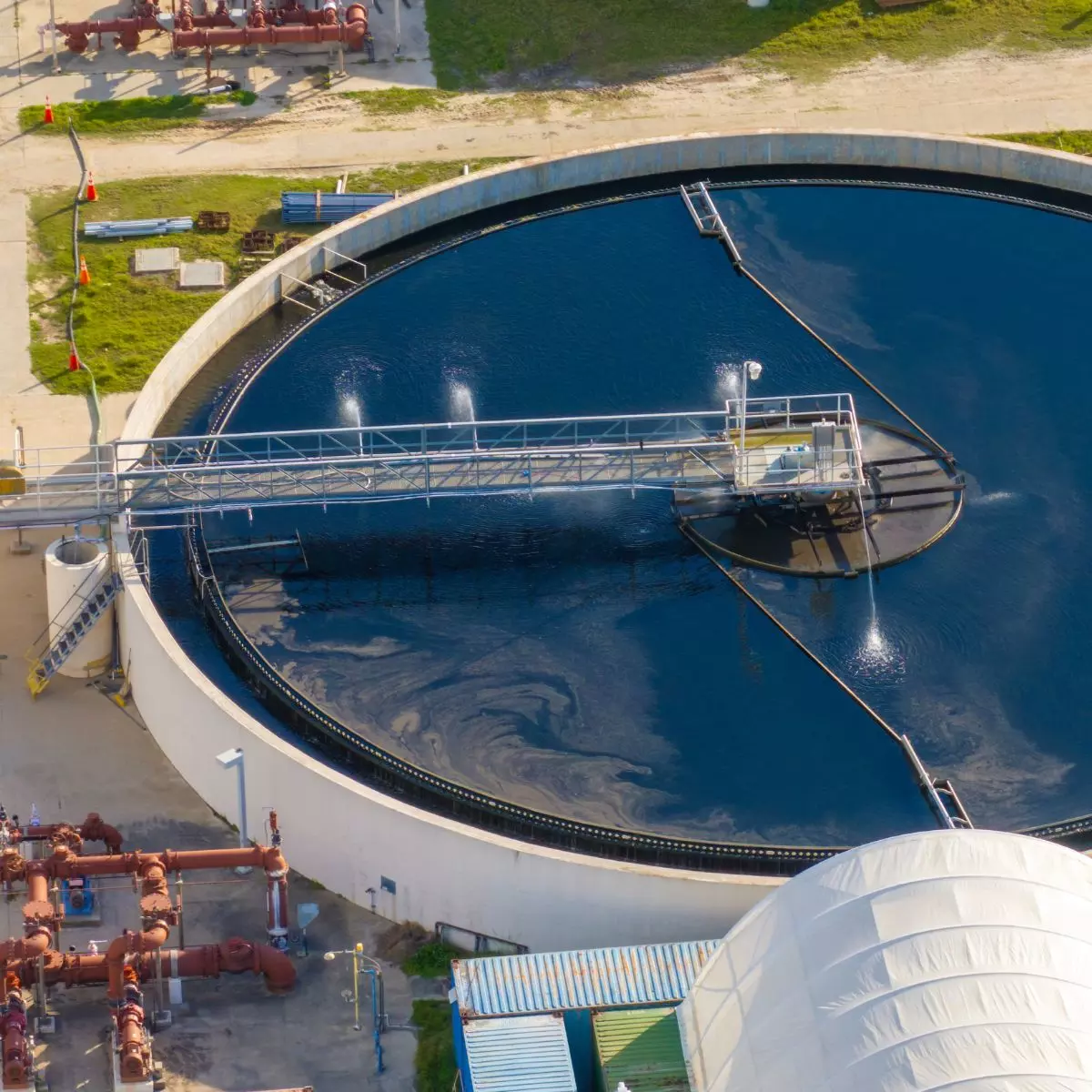
Learn more about our sewage waste management services
As a leading liquid waste handler we provide a comprehensive range of services including scheduled, responsive or emergency sewage management services tailored to the infrastructure, wastewater volumes and operating requirements of each site.
Pump Station & Wet Well Management
Scheduled and responsive pump-outs for sewage pump stations and wet wells, including planned maintenance, pump replacement and situations where infrastructure cannot manage incoming wastewater volumes.
Holding Tank Management
Regular sewage collection from holding tanks, with servicing schedules based on tank capacity, site usage and the volume of wastewater being generated.
Commercial & Institutional
Ongoing sewage management for businesses, schools, accommodation facilities and other sites operating beyond the mains sewer network.
Temporary & Remote Site Services
Sewage collection and management for construction sites, events, remote camps and other locations where permanent sewer infrastructure is unavailable.
Emergency Sewage Management
Priority response where sewage tanks, pump stations or wastewater infrastructure are surcharging or overflowing, helping limit discharge volumes and reduce environmental impact.
Speak to a Specialist
Complete the short form and a member of our Veolia waste team will be in touch shortly to assist with your enquiry.
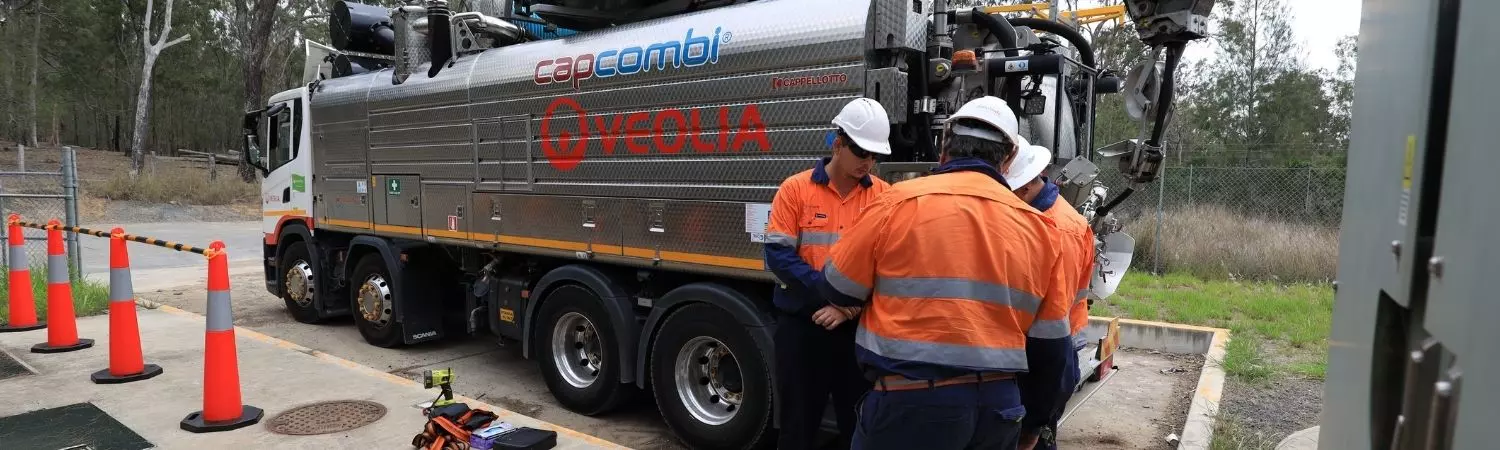
How does Veolia manage sewage waste?
The right sewage management approach depends on a variety of factor, including wastewater generation, tank capacity, infrastructure and site access.
- For sites requiring regular servicing, we're able to establish a scheduled collection programme based on the volume of sewage being generated and the available storage capacity. This helps maintain sufficient capacity and reduce the risk of tanks or pump stations reaching overflow conditions.
- For larger facilities, pump stations and remote operations, multiple tanker loads may be required. Collections can be planned around operating schedules, maintenance windows and expected wastewater volumes.
Once collected, sewage is transported to an appropriate licensed receiving facility for treatment. The treatment process can include screening and separation of solids and liquids before further processing, with suitable materials directed towards recovery where appropriate.
We also provide the relevant waste tracking documentation for collected loads, helping maintain a clear record of how sewage has been transported and managed.
Sewage management vs septic waste management
Sewage and septic waste are closely related, but they require different management approaches.
- Sewage waste generally refers to untreated or partially treated wastewater stored in a holding tank, wet well or pump station before it is collected and transported for treatment.
- Septic waste comes from an on-site treatment system such as a septic tank or aerated wastewater treatment system, where the wastewater has already undergone a degree of biological treatment.
If your site operates a septic tank or AWTS, Veolia's Septic Tank Pump-Outs & Septic Waste Removal service is the more appropriate solution. If you manage a sewage holding tank, wet well, pump station or other non-reticulated wastewater system, this sewage management service is designed for that requirement. This distinction is also built into the original service specification to prevent the sewage and septic pages targeting the same intent.
Why choose Veolia?
Effective sewage management requires more than simply removing wastewater from site. Collection frequency, available storage capacity, tanker access, treatment capability and regulatory requirements all need to be considered to ensure sewage is managed safely and reliably.
Veolia combines specialist tanker capability with access to a broad waste and treatment network, allowing sewage collection, transport, treatment and documentation to be managed through one provider.
For larger and higher-volume sites, collections can be coordinated across multiple tanker loads and operating windows rather than managed as isolated pump-outs. This integrated approach helps reduce overflow risk while providing a clear and documented waste management process.

Tracking & Documentation
Waste tracking and collection records are provided to support environmental obligations, records and incident management requirements.

Flexible Servicing
Sewage management programmes can be matched to tank capacity, wastewater generation and site requirements, with additional responsive servicing.

Licensed Treatment & Disposal
Collected sewage is transported through an appropriate licensed pathway for treatment and disposal, helping maintain a safe and compliant management process.

Specialist Fleets
Our tanker fleet can support a range of sewage infrastructure, volumes and access conditions, including holding tanks, pump stations, wet wells and remote sites.
Sewage management covers the safe collection, transport, treatment and disposal of wastewater that cannot be managed through the mains sewer network.
It can include scheduled holding tank collections, pump station and wet well pump-outs, emergency response and transport to an appropriate treatment facility.
Collection frequency depends on the volume of wastewater being generated and the capacity of the storage system.
A suitable sewage management schedule should maintain sufficient spare capacity to prevent the tank or pump station from reaching full volume. Veolia can establish a collection programme based on site usage and adjust it as requirements change.
In many cases, yes.
Narrow entrances, height restrictions, ground conditions and the distance between the tanker and collection point can influence vehicle selection. Providing access information in advance helps determine the most appropriate equipment for the site.
Collected sewage is transported to an appropriate licensed receiving facility for treatment.
Treatment can include screening, separation and further processing of the liquid and solid fractions, with suitable materials directed towards recovery where appropriate.
Yes. Emergency sewage collections can be prioritised where tanks, pump stations or other wastewater infrastructure are surcharging or overflowing. Response time depends on the location of the site and the availability of an appropriate tanker.
Frequently asked questions
Speak to a Veolia waste specialist
To discuss your requirements with a Veolia waste specialist submit a contact form and a member of the team will reach out shortly.