Food organics include fruit, vegetable, meat, bread, and dairy scraps, coffee grounds, and other food waste from households, businesses, and manufacturers.
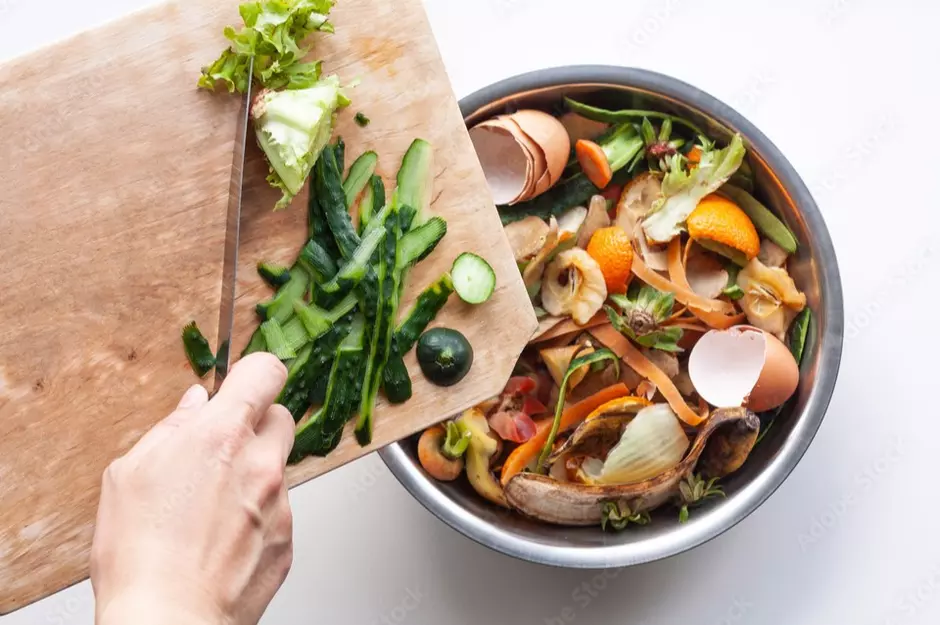
Food Organics
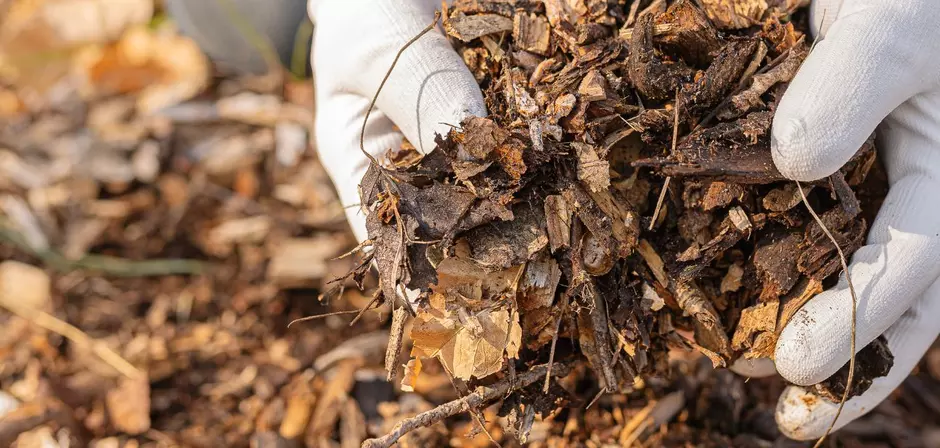
Garden Organics

Garden organics include grass clippings, leaves, small branches, prunings, weeds, and other plant material from gardens, yards, or commercial operations.
Discover how to give FOGO a second life
Your food and garden waste doesn't belong in landfill. When it ends up there, it generates methane, a greenhouse gas 25 times more potent than carbon dioxide.
At Veolia, our focus is to instead recycle your FOGO waste into resources such as renewable energy, compost, or agricultural soil conditioners. By separating your food and garden organics, we help you divert waste from landfill, keep you compliant with ever changing legislation, while contributing to our fight for Ecological Transformation.
Our FOGO collection and management services are supported by our extensive network of organics facilities, making this process simple for both households and businesses wanting to give their FOGO a second life.
The NSW 2026 FOGO mandate is here
Are you a business that handles food? Across Australia, regulations are changing. In New South Wales, businesses generating 3,840L or more of general waste weekly must legally source-separate food organics by 1 July 2026, with fines up to $500,000 for non-compliance. Veolia offers mandate-ready, integrated solutions without the hassle. We provide the equipment, staff education, and reliable collections needed to seamlessly transition your operations.
Market-leading FOGO infrastructure
Veolia doesn't just collect organics; we operate some of Australia's most advanced processing facilities. We process hundreds of thousands of tonnes of organics annually across the country, ensuring guaranteed capacity for our customers.
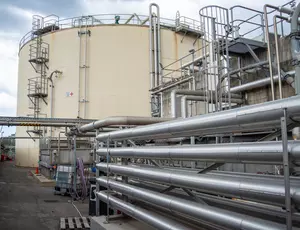
New South Wales
EarthPower in Camellia utilises advanced anaerobic digestion technology to turn commercial food waste into green electricity, while facilities like our Woodlawn MBT and regional resource recovery parks produce nutrient-rich composts.
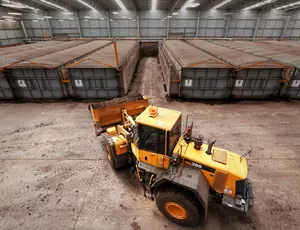
Victoria
Our Dandenong and Bulla Organics facilities utilise advanced in-vessel composting systems to achieve consistent high quality products. Bulla alone processes 85,000 tonnes of green organics and food scraps annually.
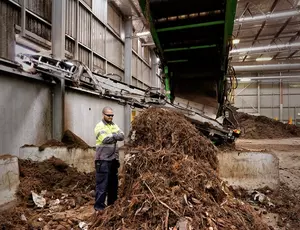
Queensland
The Cairns Resource Recovery Centre processes up to 125,000 tonnes of waste annually, creating high-quality compost for local agricultural activities.
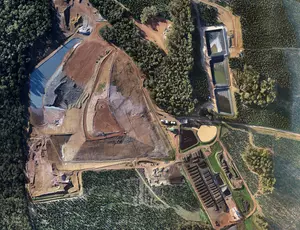
Western Australia
The North Bannister Resource Recovery Park uses innovative mobile aerated floor (MAF) technology to tightly control oxygen levels, accelerating breakdown and eliminating traditionally-occurring composting odours.
Tackling contamination
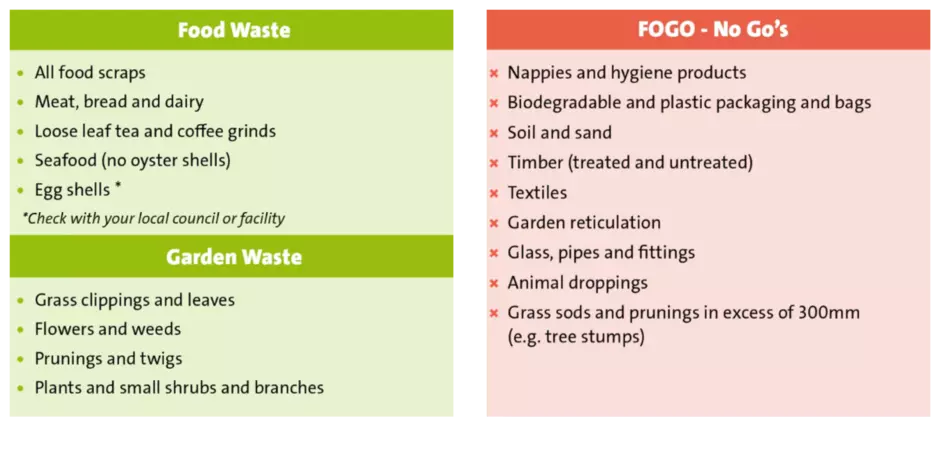
Contamination is the biggest threat to organic recycling. Veolia provides comprehensive educational guides for keeping waste streams clean at the source. For food manufacturers and supermarkets dealing with complex waste, we offer advanced de-packaging solutions. Separating organic content from packaging materials ensures a clean organic feedstock for composting or biogas generation.
How to get started with FOGO
Get in touch with a Veolia Waste Specialist to learn more about how FOGO bin collections and recycling can benefit your business. We're on hand to walk you through how to handle your waste, your collection schedule, our sorting process and facilities, and how this all keeps you compliant.

For Businesses
Contact our Commercial Waste Experts for a comprehensive FOGO quote, or additional information.

For Residents
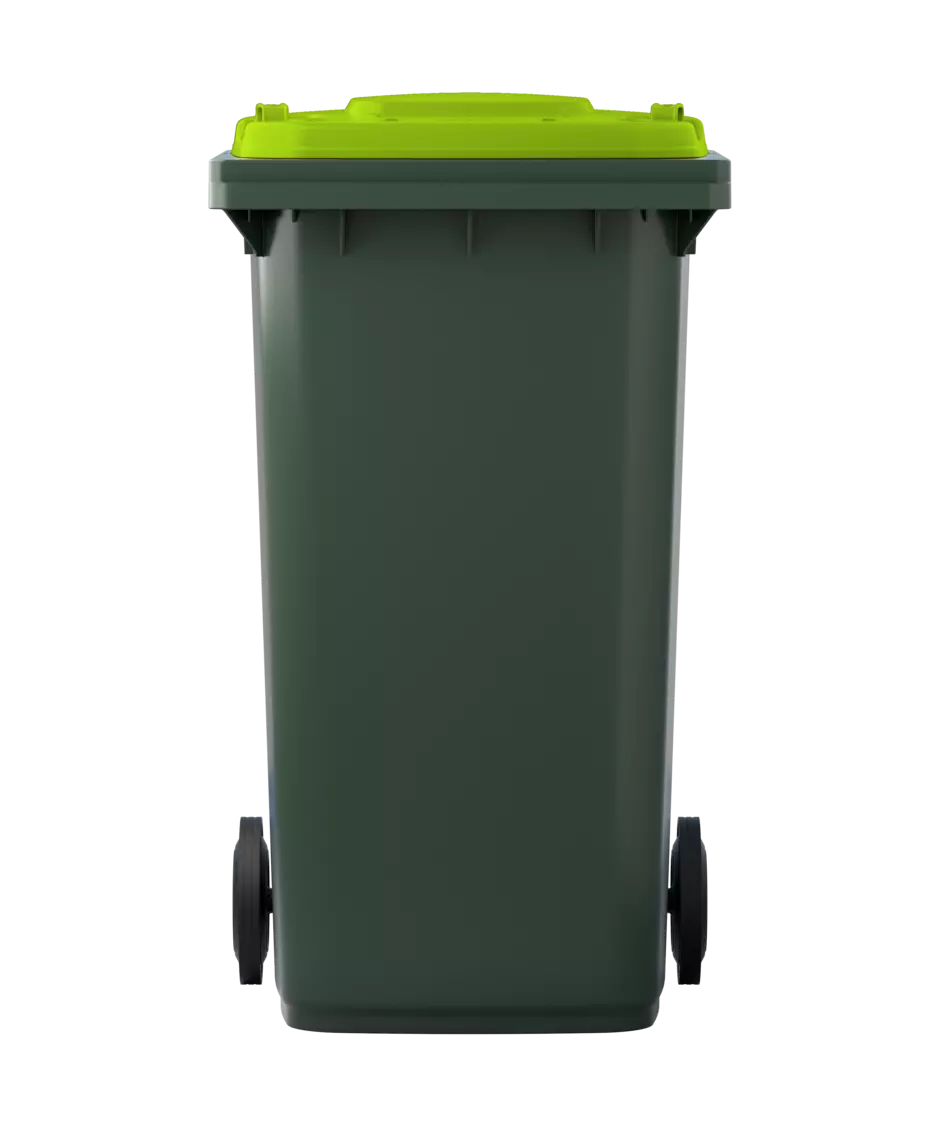
Please contact your local council to see if they have implemented a FOGO collection service in your area. Your household FOGO bin will be dark green with a lime green lid.
Everything else you need to know about FOGO
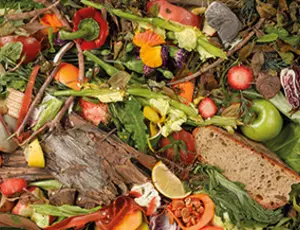
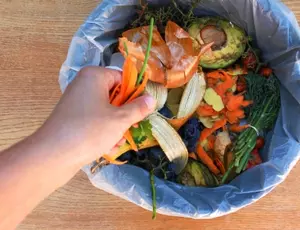
A typical green waste bin is restricted to only garden waste materials such as grass clipping and wood trimmings. A FOGO bin on the other hand, allows you to dispose of all your garden and food waste which is specifically listed in our ‘How to avoid contamination!’ above.
Your FOGO bin is dark green, with a lime green lid.
Below are some helpful tips to reduce the odour that may come from your FOGO bin:
- Use certified compostable liners to bag your food waste or wrap in newspaper.
- Alternate layers between food and organics waste.
- Wrap up strong smelling food waste such as seafood, uncooked meat scraps and store them in the freezer up until your collection day.
- Store your FOGO bin in a flat, well ventilated area.
- Clean and rinse your bins regularly. You can also sprinkle bicarb soda to reduce the smell.
- Always keep the lid closed.
- Store your FOGO bin in a shaded area.
Nappies are made from plastic and synthetic materials which do not break down in the composting process, therefore they’re considered a contaminant in your FOGO bin. Nappies are best suited for landfill.
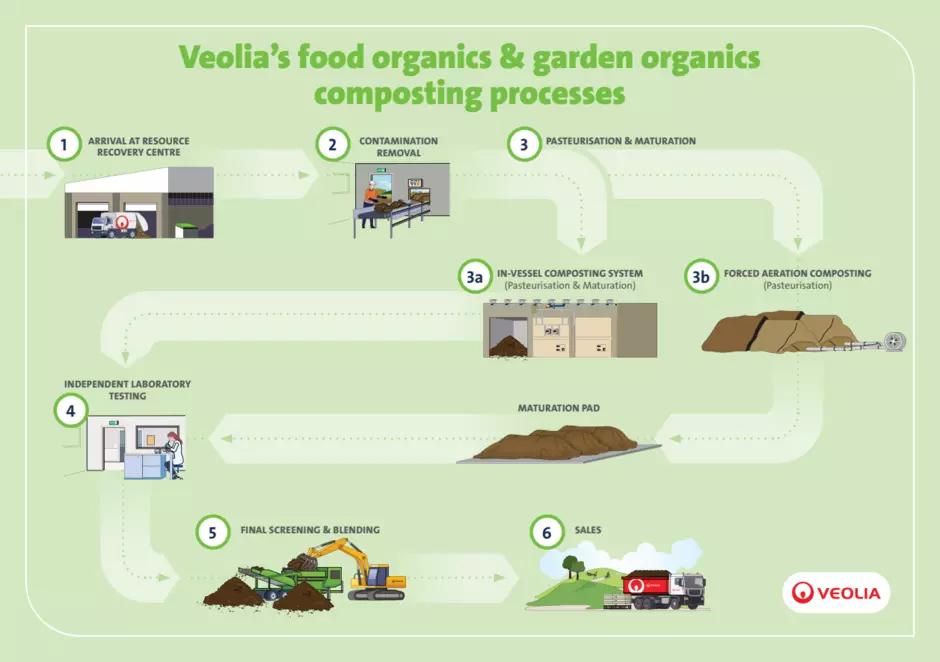
There are a number of ways you can compost organic materials including in-vessel, forced aeration, and traditional open windrow. While they all work to achieve the same result of nutrient-rich compost, Veolia's chosen composting methods offer different benefits to suit various operational needs:
- In-vessel systems rapidly speed up the composting process by closely monitoring and controlling airflow and temperature to achieve optimal conditions for the natural microorganisms. The vessels are shut during this process and fitted with biofilters to contain odours, making them an ideal solution for urban areas.
- Forced aeration (also known as Modular Aerated Floors or MAF) pushes air through static compost piles, meaning the material does not need to be manually turned as it does in open windrows. The modular design offers flexibility in size and transportation between locations.
Read more about Veolia's composting processes in our informative explainer below.
Frequently asked questions
We're here to help. Contact our friendly team with any additional queries.