What is FOGO?
FOGO refers to the practice of separating food scraps and green garden waste from your general waste so they can be collected and processed into valuable resources rather than sent to landfill.
In simple terms, instead of your banana peel, leftover dinner, and grass clippings going into a general waste bin and ending up buried in the ground, they go into a dedicated FOGO bin and are turned into compost, soil conditioner, or renewable energy.
It is one of the most important shifts in how Australia manages waste - but for many households and businesses, it still raises more questions than answers. This article addresses the most common questions about Food Organics and Garden Organics recycling, from the basics through to legislation, contamination, and cost.
What Does FOGO Stand For?
FOGO stands for Food Organics and Garden Organics. These terms are sometimes used interchangeably but have distinct meanings:
FO (Food Organics): Refers specifically to food waste - fruit and vegetable scraps, cooked food, meat, dairy, bread, and similar items.
GO (Garden Organics): Refers to green garden waste - grass clippings, leaves, prunings, and small branches.
FOGO (Food Organics and Garden Organics): A combined collection stream that accepts both food and garden waste in a single bins
Some councils and businesses operate FO-only or GO-only services depending on their processing infrastructure. A full FOGO service accepts both streams together.
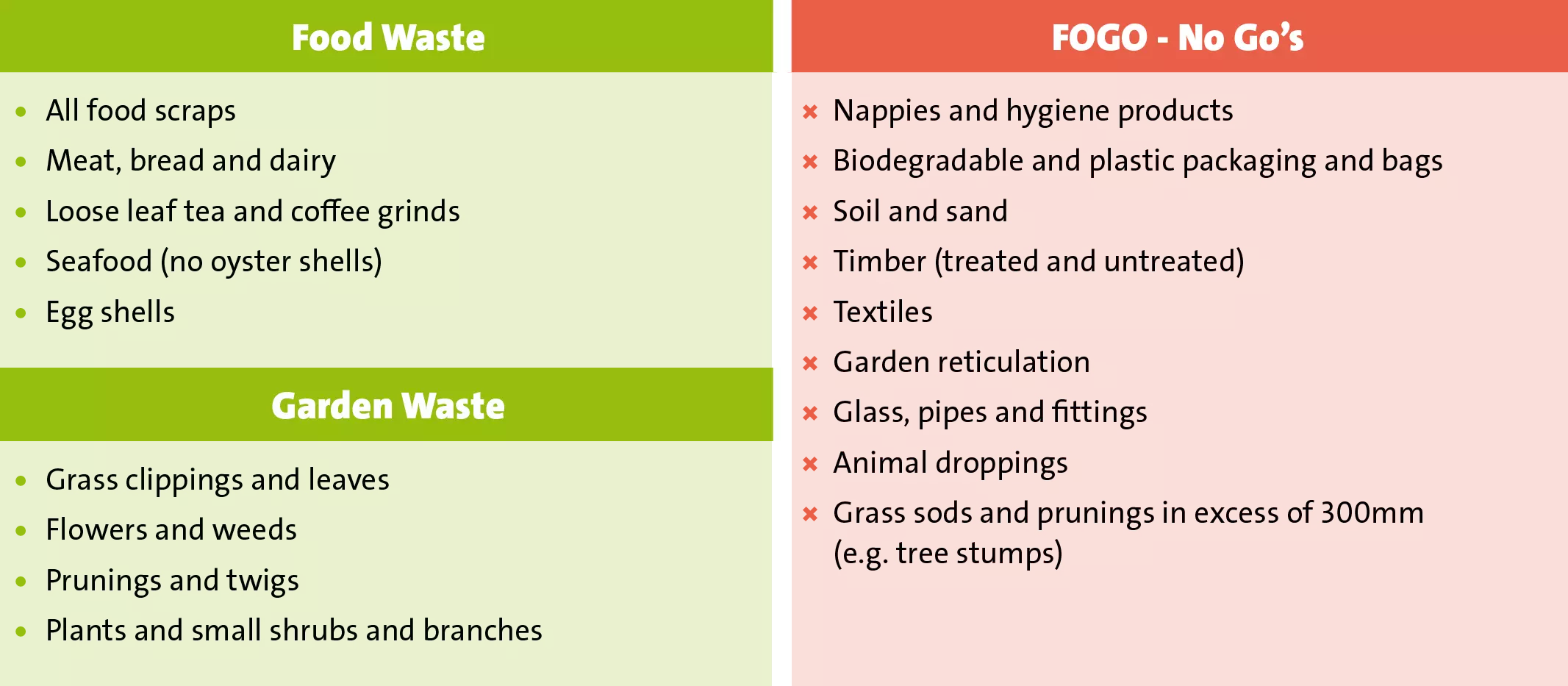
What Can Go in a FOGO Bin?
It's important to understand how to correctly use your FOGO bin to ensure there's no contamination. Incorrect disposal may result in an entire load being sent to landfill. If you require educational support don't hesitate to get in touch
What Happens to My FOGO Waste?
Once collected, FOGO material is transported to an organic waste processing facility, where it is treated in one of two main ways:
Composting (Aerobic Processing)
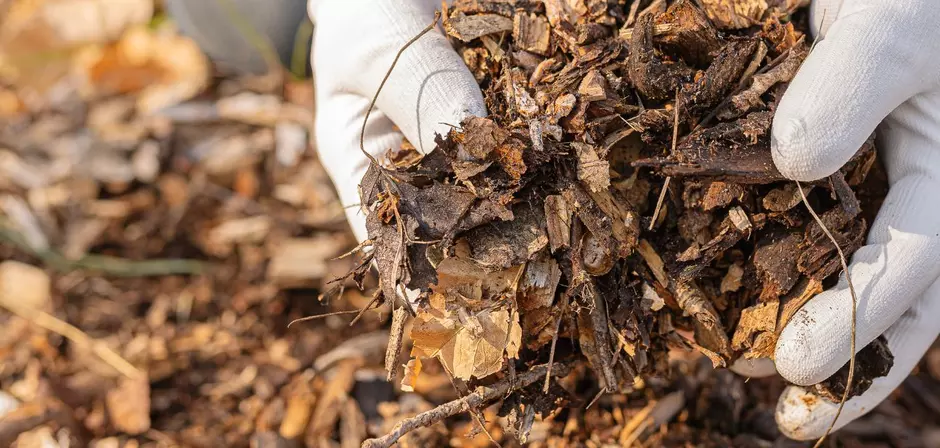
Organic material is broken down with oxygen over several weeks to produce compost and soil conditioners used in agriculture, horticulture, and land rehabilitation.
Anaerobic Digestion
Organic material is broken down without oxygen in sealed tanks, producing biogas (which can be converted to renewable electricity or heat) and a nutrient-rich digestate used as fertiliser.
Facilities such as EarthPower in Sydney use anaerobic digestion to process organic waste from across NSW, generating renewable energy and producing agricultural fertiliser - a practical example of the circular economy in action.
What are the Benefits of FOGO?
Potential Cost Savings
FOGO significantly reduces the volume of general waste sent to landfill. Because organic waste is typically the heaviest component, diverting it can lead to meaningful savings on landfill and collection costs.

Regulatory Compliance
With FOGO mandates being rolled out across New South Wales, separating food and garden waste is becoming a requirement. Early adoption helps businesses stay compliant and avoid potential penalties or operational disruption.

Environmental Impact
When organic waste is sent to landfill, it produces methane, a highly potent greenhouse gas. FOGO diverts this waste into composting or energy recovery processes, supporting a more sustainable, circular economy.

Operational Efficiency
Separating organic waste creates cleaner waste streams, making collection and processing more efficient. This can also improve hygiene and reduce issues such as bin contamination or overflow.

Brand & Tender Advantage
Demonstrating responsible waste management can enhance a business’s reputation, support ESG initiatives, and strengthen positioning in tenders or partnerships where sustainability is a factor.
Why Does FOGO Matter?
When food and garden waste ends up in a general landfill, it breaks down without oxygen (anaerobically) and produces methane - a greenhouse gas significantly more potent than carbon dioxide over a 20-year period. This contributes to climate change and represents a significant waste of recoverable resources.
FOGO addresses this by:
- Diverting organic waste from landfill, reducing methane emissions
- Converting waste into resources — compost, soil conditioner, and renewable energy
- Reducing pressure on landfill capacity - particularly critical in Greater Sydney, where landfill space is projected to reach critical limits around 2030
- Supporting a circular economy, where materials are recovered and reused rather than discarded
Food and garden waste make up a substantial proportion of what is currently sent to landfill. Recovering this material at scale has meaningful environmental and economic benefits.
Is FOGO Mandatory in Australia?
NSW
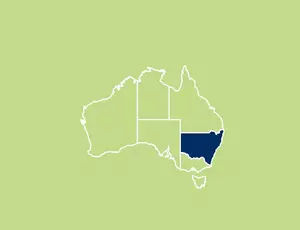
Under the Protection of the Environment Legislation Amendment (FOGO Recycling) Act 2025, businesses must source-separate food waste based on their weekly bin capacity. All NSW households must have access to a FOGO collection service by 1 July 2030. Penalties for non-compliance can reach $500,000.
VIC
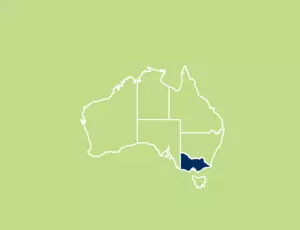
The Circular Economy (Waste Reduction and Recycling) Act 2021 requires all Victorian councils to provide access to a FOGO service or local composting alternative by 2030. Victoria aims to halve organics sent to landfill by 2030, with more than $84 million invested in FOGO infrastructure.
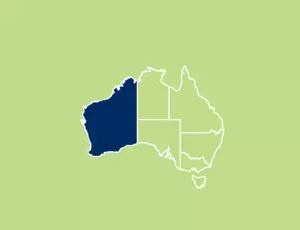
WA
The Better Bins Plus program aims for all households in Perth and the Peel region to have a three-bin FOGO system. Around 200,000 WA households already have a FOGO bin, with eight in ten Western Australians supporting the service.
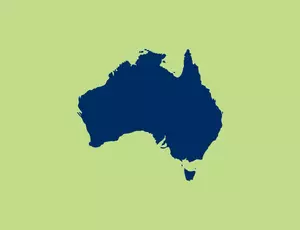
National
FOGO solutions contribute closely to state and national targets to reduce waste per person by 10%, achieve an 80% recovery rate across all waste streams, halve organics sent to landfill and support the United Nations Sustainable Development Goals 11, 12, 13 and 15. As a Nation, we intend to achieve this by 2030.
Key Takeaways
- FOGO stands for Food Organics and Garden Organics - the separation of food scraps and garden waste from general waste.
- FOGO diverts organic material from landfill, preventing methane emissions and converting waste into compost, soil conditioner, and renewable energy.
- FOGO is becoming mandatory across Australia, with NSW penalties for non-compliance reaching $500,000.
- Contamination is the biggest operational challenge - education and clear labelling are essential.
- FOGO can reduce business waste costs and support ESG and sustainability goals.
- Veolia provides end-to-end FOGO solutions for businesses and councils across Australia.
Are you FOGO ready?
Reach out to our friendly team to get ahead of the mandates and bring FOGO to your business.