New South Wales (NSW), has introduced one of Australia’s most significant waste policy reforms. The Protection of the Environment Legislation Amendment (FOGO Recycling) Act 2025 (NSW), mandates source-separated Food Organics and Garden Organics (FOGO) collection. It requires councils to provide households with FOGO services by 1 July 2030, with mandatory, staged rollouts for businesses such as supermarkets and hospitality businesses starting 1 July 2026. This means If your business handles, prepares or sells food the food organics mandate will affect how you manage waste and the clock is already ticking.
What is the NSW FOGO Mandate?
The NSW FOGO Mandate is a statewide legislative requirement introduced under the Protection of the Environment Legislation Amendment Act 2025. It requires businesses and institutions to separate Food Organics and Garden Organics (FOGO) from general waste, diverting organic material away from landfill and into resource recovery systems.
The mandate forms part of the broader NSW Waste and Sustainable Materials Strategy, which targets:
- Halving the amount of organic waste sent to landfill by 2030
- Supporting the development of a circular economy across NSW
- Reducing pressure on Greater Sydney's landfill capacity, which is projected to reach critical limits around 2030
- Food waste currently makes up approximately one quarter of all business waste sent to landfill in NSW - material that could otherwise be recovered as compost, soil conditioner, or renewable energy
of business waste entering landfill is as a result of food waste. The NSW EPA reported that a quarter of all New South Wales business waste going to landfill is food waste - a significant portion that is ideal for repurposing into valuable resources.
When Does the NSW FOGO Mandate Start?
The mandate will roll out gradually between 2026 and 2030, based on the total weekly general waste bin capacity of your business.
Key dates are:
- 1 July 2026: Businesses with ≥3,840L weekly general waste capacity.
- 1 July 2028: Businesses with ≥1,920L weekly general waste capacity.
- 1 July 2030: Businesses with ≥660L weekly general waste capacity.
These thresholds are calculated based on the total bin capacity your business uses each week - not the volume of waste actually generated. If you are unsure where your business sits, the NSW EPA FOGO Waste Calculator can assist.
What Are the Penalties for Non-Compliance?
Non-compliance with the NSW FOGO mandate is not a minor administrative issue. Penalties for businesses that fail to meet their obligations can reach $500,000 in fines. Beyond financial penalties, non-compliant organisations risk reputational damage and operational disruption.
Which Businesses Will Be Affected?
The FOGO Mandate applies to businesses and institutions that prepare, sell, or handle food. These organisations will need to implement source-separated food waste collection systems and ensure organic waste is diverted from general waste streams.
Key sectors include, but are not limited to:

Supermarkets & Grocery Retailers

Cafes, Restaurants, Pubs & Takeaways
Hotels & Accommodation Providers

Catering Companies & Food Trucks

Schools, Universities, & Childcare

Hospitals & Aged Care
Why the FOGO Mandate Matters Beyond Compliance?
Landfill Capacity is Running Out
Greater Sydney landfill capacity is expected to reach critical limits around 2030, making waste diversion essential for long-term waste management.
Food Waste is a Major Landfill Contributor
Across many sectors, food waste is the largest waste material sent to landfill. Recovering it significantly reduces landfill volumes.
Organic Waste Streams Can be Converted into Valuable Resources
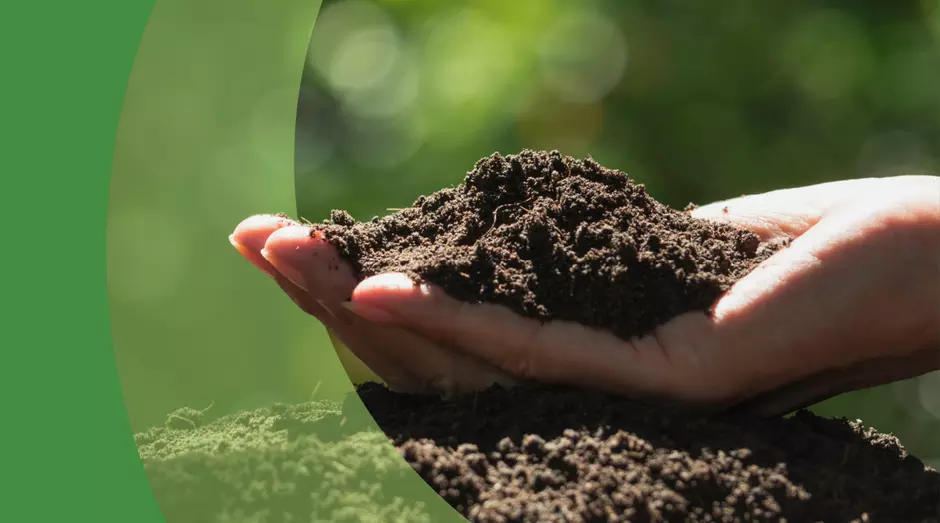
FOGO waste is an ideal waste source to be recycled into compost for agriculture, soil conditioners for landscaping, and renewable energy.
What Businesses Need to Do to Prepare
Early planning for the mandate is essential to ensuring your transition is smooth and disruption is kept to a minimum.
Key Preparation Steps
- Assess your waste streams to understand how much food waste your business generates.
- Introduce source separation by providing dedicated bins for food organics.
- Train staff to correctly separate food waste from general waste.
- Review waste contracts to ensure FOGO collection services are available.
- Plan bin storage and collection schedules to manage odours and contamination.
Working with an experienced waste management provider can simplify this transition and help businesses implement efficient systems. For further advice don’t hesitate to contact us.
Turning Food Waste into Resources
One of the key benefits of FOGO is the ability to convert food organics and garden organics into valuable products. Organic waste collected through FOGO services can be processed into compost and soil conditioners, biogas and renewable energy.
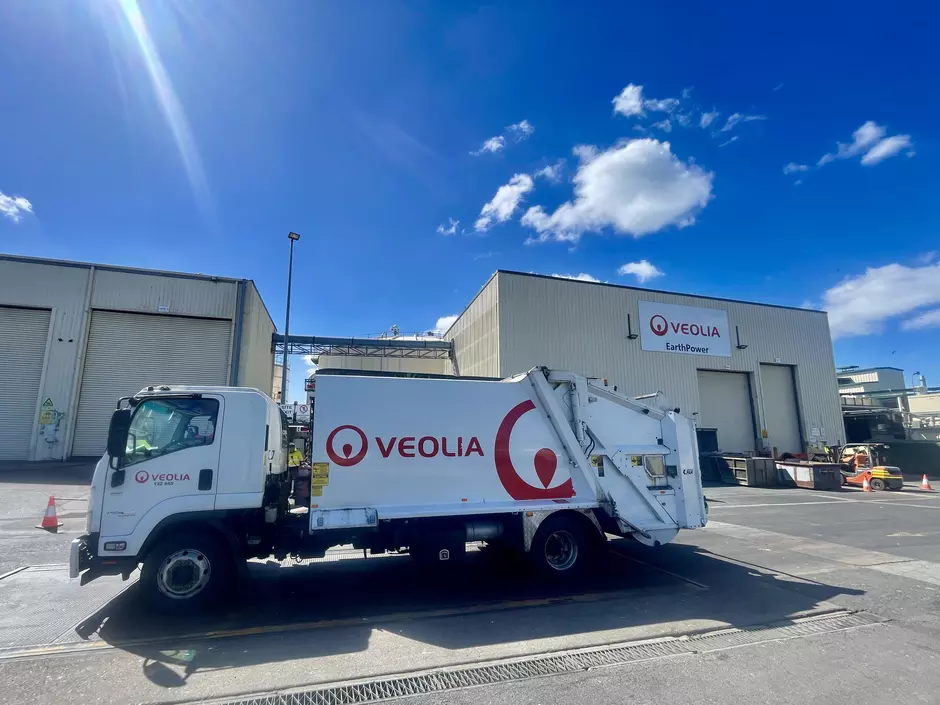
Advanced composting and energy recovery plants such as Earthpower play a critical role in transforming organic waste streams into usable resources. EarthPower in NSW processes organic waste through anaerobic digestion to generate renewable energy and produce nutrient-rich fertiliser products for agriculture.
This kind of infrastructure enables NSW to move away from landfill disposal and towards a resource recovery model.
Our Role as a FOGO Waste Service Provider
The success of the NSW FOGO Mandate relies heavily on collaboration between businesses, councils and waste service providers.
Our goal as a waste management partner is to support organisations by:
- Designing tailored FOGO collection systems
- Providing dedicated organics bins and collection services
- Delivering education and contamination reduction programs
- Ensuring organics are processed through advanced recovery facilities
Veolia’s approach is grounded in Ecological Transformation - helping businesses move beyond waste disposal and towards genuine resource recovery. There you are preparing for the 2026 mandate deadline for planning ahead for 2023 our team can help you build a FOGO system that works.
Key Takeaways
- The NSW FOGO mandate is legislated under the Protection of the Environment Legislation Amendment (FOGO Recycling) Act 2025.
- Compliance dates begin 1 July 2026 for large waste generators, with thresholds lowering in 2028 and 2030.
- Penalties for non-compliance can reach $500,000.
- Food waste makes up approximately one quarter of business waste sent to landfill - diverting it reduces costs and environmental impact.
- Early preparation reduces disruption and positions your business ahead of regulatory requirements.
- Veolia provides end-to-end FOGO solutions for businesses across NSW.
Are you FOGO ready?
Reach out to our friendly team to get ahead of the mandates and bring FOGO to your business.