


Safe, compliant management of industrial liquid waste
Industrial operations can generate a wide range of liquid wastes, from oily water and washdown effluent to process residues, chemicals and contaminated water. Each stream can have different classification, handling and treatment requirements.
We provide industrial liquid waste management and disposal services across Australia, helping businesses characterise, collect and treat waste streams through appropriate licensed pathways.
Our specialists can assess individual waste streams, determine their handling requirements and identify suitable treatment, recovery or disposal options based on their composition. This reflects the intended role of the page as the parent for industrial liquid waste streams, while retaining dedicated Oils, Hydrocarbon Waste and Industrial Wash Waters pages underneath it.
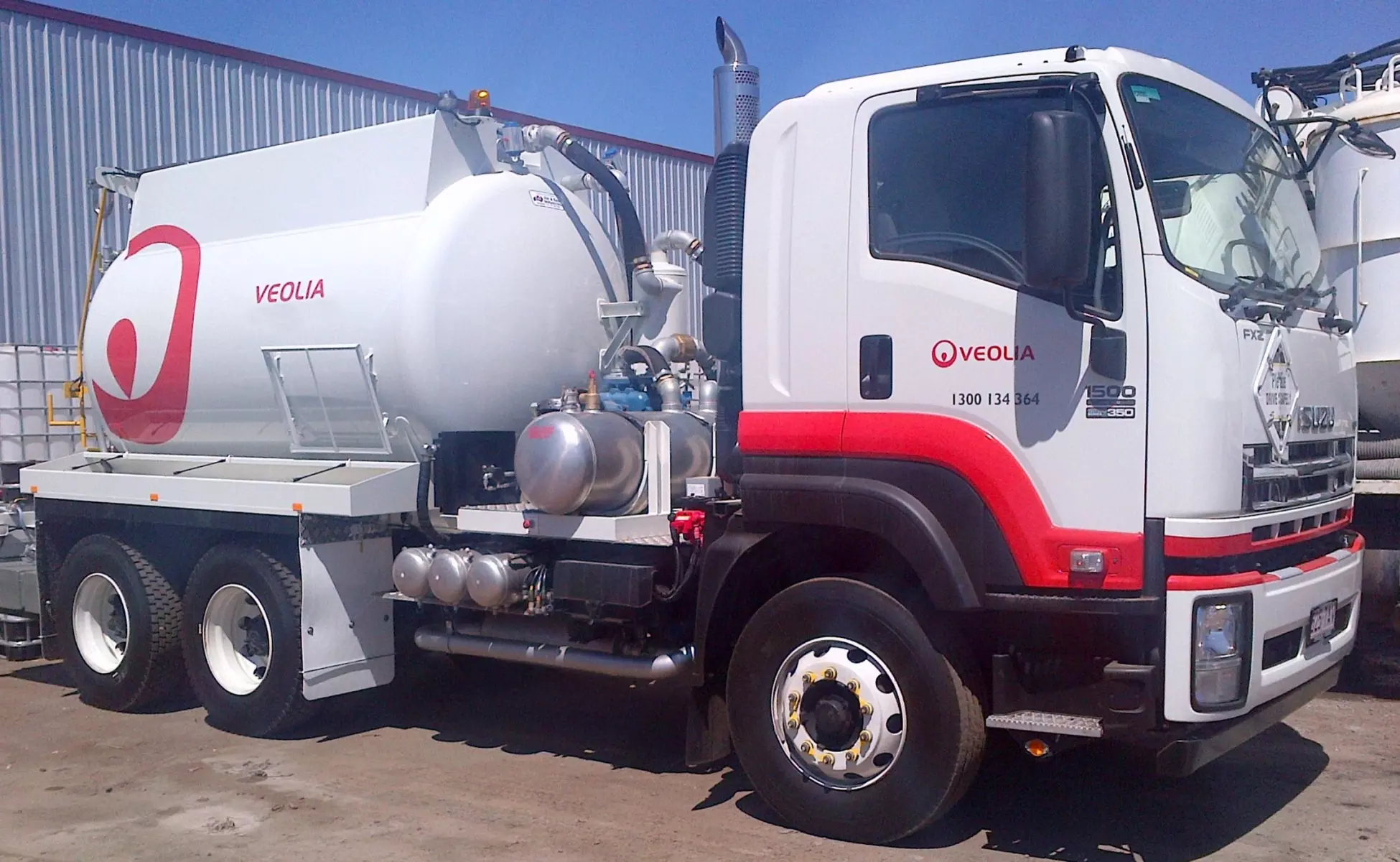
Learn more about our industrial liquid waste services
We manage a wide range of industrial liquid wastes, with collection and treatment solutions tailored to the characteristics, volume and classification of each waste stream. We work with your teams to ensure you receive a service that ensures your operations continue to run seamlessly.
Oily Water & Hydrocarbon Waste
Collection and treatment of oily water, interceptor waste, fuel-contaminated water, tank washings and other hydrocarbon-containing liquid wastes, with recovery considered where appropriate.
Industrial Wash Waters
Management of wash bay effluent, workshop washdown and cleaning waters containing detergents, hydrocarbons, suspended solids and other process contaminants.
Process Effluents & Production Waste
Collection and treatment of production liquids including washdowns, batch residues, clean-in-place effluent, cooling water and rejected liquid products.
Chemical & Solvent Waste
Management of acids, alkalis, spent process chemicals, solvents, paints and coatings, with treatment or recovery pathways selected according to their composition.
Contaminated Water & Tank Residues
Collection of contaminated groundwater, stormwater, bund water and liquid residues from storage tanks, pits, sumps and interceptors.
Speak to a Specialist
Complete the short form and a member of our Veolia waste team will be in touch shortly to assist with your enquiry.
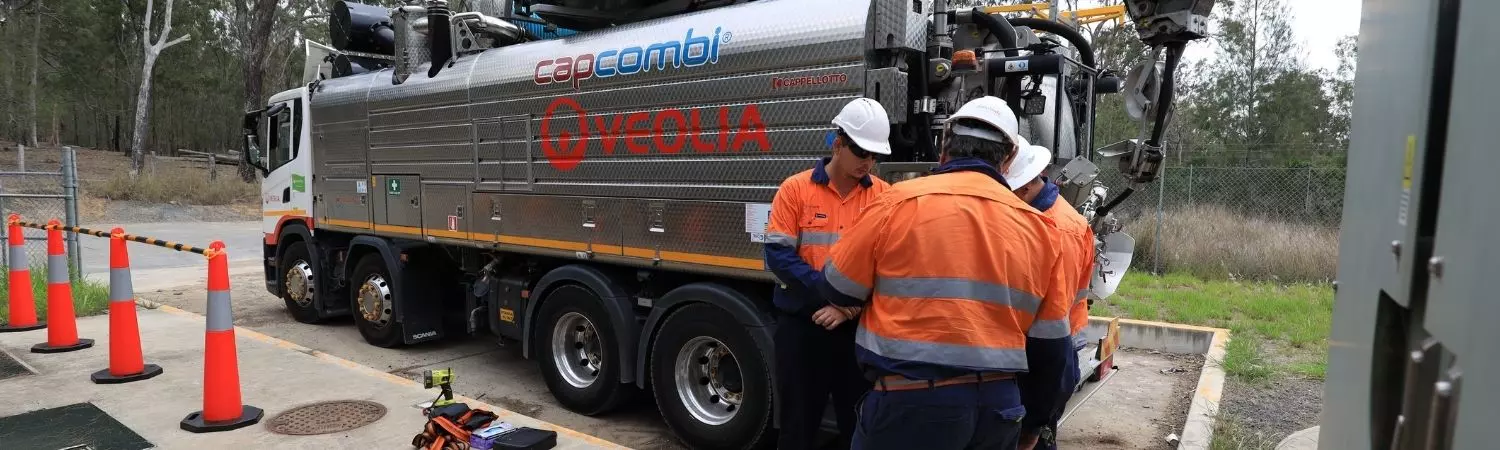
How does Veolia manage sewage waste?
Effective industrial liquid waste management starts with understanding exactly what the waste contains.
Where required, Veolia can support sampling and analysis to characterise a waste stream, determine its appropriate classification and identify a suitable treatment pathway before collection takes place.
Depending on your operations, we can manage:
- Oily water and hydrocarbon waste
- Industrial wash waters
- Process and production effluents
- Acids, alkalis and chemical waste
- Solvents, paints and coatings
- Contaminated groundwater and stormwater
- Tank, interceptor and pit residues
- Multiple industrial liquid waste streams from the same site
Once the waste has been characterised, collection can be arranged on a scheduled, on-demand or emergency basis. Vehicles and transport arrangements are selected according to the characteristics and volume of the material, with waste streams kept separate where required. We can then direct each stream towards an appropriate treatment, recovery or disposal pathway.
Relevant waste tracking documentation is provided to help maintain a clear record of the waste from collection through to the receiving facility. The original service specification similarly treats characterisation, collection, transport and tracking as connected parts of the service.
Why choose Veolia?
Industrial liquid waste management can become complex when a site produces several waste streams with different compositions, classifications and treatment requirements.
We combine waste characterisation, specialist collection and treatment capability to help customers identify an appropriate pathway before waste leaves site.
For organisations generating multiple waste streams, this also provides the opportunity to coordinate different industrial liquid waste requirements through one provider while considering recovery options wherever the material allows. The underlying specification identifies classification support, multi-stream capability, treatment infrastructure and recovery as the key differentiators for this service.

Waste Classification
Sampling, characterisation and classification support can help determine appropriate transport and treatment requirements before industrial liquid waste is collected.

One Provider
We're able to manage different industrial liquid waste streams, simplifying collection arrangements, treatment pathways and documentation.

Liquid Waste Infrastructure
Waste streams can be matched to an appropriate licensed treatment facility based on their characteristics and acceptance requirements.

Resource Recovery
Where appropriate, oils, solvents and other recoverable materials can be directed towards recovery or re-refining rather than disposal.
Industrial liquid waste is liquid or pumpable waste generated through commercial or industrial activity that requires specialist collection, treatment or disposal.
Common examples include oily water, industrial wash waters, process effluent, chemicals, solvents, contaminated groundwater and tank residues.
Trade waste is wastewater that your trade waste agreement permits you to discharge to sewer within specified limits and conditions.
Industrial liquid waste falls outside those permitted conditions and requires an alternative collection, treatment or disposal pathway.
An appropriate waste classification may be required before collection and treatment.
Where a waste stream is unknown or its composition has changed, Veolia can support sampling and analysis to characterise the material and determine the appropriate classification and treatment pathway.
Yes.
Different waste streams can be assessed and managed individually. Where materials need to remain separate, appropriate collection and transport arrangements can be used for each stream.
Potentially, but the material needs to be characterised before an appropriate collection and treatment pathway can be confirmed.
Sampling and analysis can be used to determine the composition of the material and establish its classification and handling requirements.
Frequently asked questions
Speak to a Veolia waste specialist
To discuss your requirements with a Veolia waste specialist submit a contact form and a member of the team will reach out shortly.